

Avicii is a groundbreaking Swedish DJ and music producer who revolutionized electronic dance music and brought EDM into mainstream consciousness. Born Tim Bergling on September 8, 1989, in Stockholm, Sweden, Avicii became one of the world’s highest-paid DJs before his tragic death at age 28.
His infectious melodies, genre-blending productions, and chart-topping hits like “Levels” and “Wake Me Up” transformed the landscape of modern music. Beyond the stage lights and festival crowds, Avicii’s story is one of extraordinary talent, unprecedented success, personal struggles, and a lasting legacy that continues to inspire millions worldwide.
Quick Info
| Category | Details |
|---|---|
| PERSONAL INFORMATION | |
| Real Name | Tim Bergling |
| Stage Name | Avicii (pronounced ah-VEE-chee) |
| Date of Birth | September 8, 1989 |
| Birthplace | Stockholm, Sweden |
| Date of Death | April 20, 2018 |
| Age at Death | 28 years old |
| Nationality | Swedish |
| Zodiac Sign | Virgo |
| PHYSICAL APPEARANCE | |
| Height | 5’10” – 5’11” (178-180 cm) |
| Weight | 159-165 lbs (72-75 kg) |
| Hair Color | Blonde to light brown |
| Eye Color | Blue-green |
| Build | Slim, athletic |
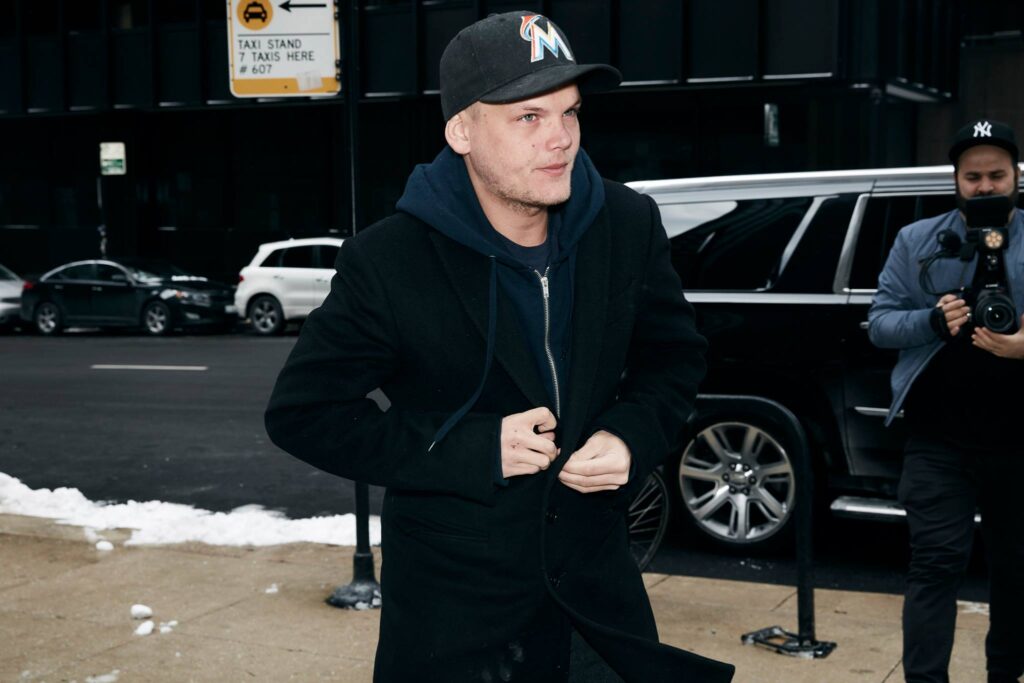
| Signature Style | Casual (plaid shirts, hoodies, caps, jeans) |
| CAREER INFORMATION | |
| Profession | DJ, Record Producer, Electronic Musician, Remixer |
| Genres | EDM, Progressive House, Electro House, Deep House |
| Active Years | 2006-2018 |
| Record Labels | EMI Music Publishing, PRMD Music, Island Records, Universal Records |
| Breakthrough Song | “Levels” (2011) |
| Biggest Hit | “Wake Me Up” feat. Aloe Blacc (2013) |
| Studio Albums | True (2013), Stories (2015), Tim (2019, posthumous) |
| Grammy Nominations | 2 (Best Dance Recording) |
| FAMOUS SONGS | |
| Top Hits | “Levels,” “Wake Me Up,” “Hey Brother,” “Waiting for Love,” “The Nights,” “Silhouettes,” “Seek Bromance,” “Without You” |
| Notable Collaborations | David Guetta, Coldplay, Aloe Blacc, Nicky Romero, Rita Ora |
| FINANCIAL INFORMATION | |
| Net Worth (at death) | $50-85 million |
| Per Gig Earnings | $500,000 |
| Peak Annual Income | $15-20 million (2014-2015) |
| Highest Single Year | $30 million (June 2014 – June 2015) |
| Career Total Earnings | ~$140 million |
| Major Assets | Hollywood Hills mansion ($15.5M purchased, $17.5M sold) |
| FAMILY | |
| Father | Klas Bergling (businessman) |
| Mother | Anki Lidén (actress) |
| Brother | David Bergling (also a DJ) |
| Half-Brother | Anton Körberg (actor/musician) |
| Half-Sister | Linda Sterner |
| RELATIONSHIPS | |
| Marital Status | Never married |
| Children | None |
| Girlfriend (2011-2013) | Emily Goldberg |
| Girlfriend (2013-2016) | Racquel Natasha Bettencourt (model) |
| Girlfriend (2017-2018) | Tereza Kačerová (Czech model) |
| SOCIAL MEDIA | |
| @avicii (7+ million followers) | |
| 2+ million followers | |
| YouTube | 8+ million subscribers |
| Active memorial account | |
| SoundCloud | Popular producer profile |
| HEALTH & LEGACY | |
| Major Health Issues | Acute pancreatitis, alcohol addiction, opioid dependency |
| Retirement from Touring | March 2016 |
| Final Live Performance | August 28, 2016 (Ibiza) |
| Cause of Death | Suicide |
| Location of Death | Muscat, Oman |
| Burial Location | Skogskyrkogården, Stockholm, Sweden |
| Foundation | Tim Bergling Foundation (mental health & suicide prevention) |
| Arena Named After Him | Avicii Arena, Stockholm (formerly Ericsson Globe) |
Who is Avicii? Early Life and Family Background
Tim Bergling was born into a creative and supportive family in Stockholm, Sweden. His mother, Anki Lidén, worked as an actress, while his father, Klas Bergling, pursued a career in business. Growing up as one of four children, Tim had two siblings from his parents’ marriage—his older brother David Bergling and connections to his half-siblings Anton Körberg and Linda Sterner from previous relationships.
From a young age, Tim showed an intense curiosity about music and technology. Unlike many children who played outside, eight-year-old Tim was already experimenting with music mixing software in his bedroom. This wasn’t just a passing hobby—it was the beginning of a lifelong passion that would eventually change the face of electronic music.
His older brother David, who also pursued DJing, became Tim’s first mentor and inspiration. Watching David work with turntables and mixers sparked something in young Tim. He became obsessed with understanding how songs were constructed, how beats worked together, and how he could create his own unique sound.
As a teenager, Tim was described as somewhat introverted and reserved. He wasn’t the most outgoing student at school, but when it came to music production, he transformed into someone completely different—focused, driven, and incredibly talented. While his classmates were thinking about traditional career paths, 16-year-old Tim was already making music professionally.
During his formative years, Tim struggled with being overweight, which affected his self-confidence. However, music became his escape and his identity. In the safe space of his bedroom studio, he could express himself freely and create without judgment.
By 2006, at just 17 years old, Tim began posting his tracks on various electronic music forums. He joined the Laidback Luke Forums, an online community where aspiring producers learned from established artists. Here, he refined his deep house style and started building connections with other producers who would later become his collaborators and friends.
In May 2007, Tim signed his first record deal with Dejfitts Plays label—a pivotal moment that validated all those hours spent alone in his room, perfecting his craft. The shy teenager from Stockholm was about to become a global phenomenon.
How Avicii Started His Music Career: From Bedroom Producer to Professional DJ
The journey from Tim Bergling to Avicii is a story of talent meeting opportunity, relentless work ethic, and perfect timing in the evolution of electronic dance music.
The Name “Avicii”: What Does It Mean?
Before we continue with his career story, let’s address the interesting origin of his stage name. Tim explained that “Avicii” comes from Buddhist mythology, referring to the lowest level of Buddhist hell called “Avīci.” When creating his Myspace music page, he discovered that “Tim Bergling” was already taken, so he needed an alternative. He added an extra “i” to “Avici” to make it unique and memorable. The name stuck, and soon it would be recognized worldwide.
The Breakthrough Remix: “Lazy Jones” (2008)
Avicii’s first major breakthrough came at age 18 with a remix that showcased his innovative approach to production. He remixed the theme song from a Commodore 64 video game called “Lazy Jones,” transforming retro gaming music into a modern progressive house track. The remix caught fire in the electronic music community, generating massive buzz on blogs and forums.
This attention led to his first official release, “Lazy Lace,” through Strike! Recordings. Suddenly, industry professionals were paying attention to this teenage producer from Sweden.
Rising Through the Ranks (2009-2010)
By 2009, Avicii had become a prolific producer, releasing remixes and original tracks at an impressive pace. His productions during this period included:
- “Sound of Now”
- “Muja”
- “Ryu”
- “Even”
- “Tweet It”
- “Bromance” (later reworked as “Seek Bromance”)
“Seek Bromance,” released in October 2010, became his first major commercial success. The track reached the top 20 in several countries, including Belgium, France, the Netherlands, and the United Kingdom. Its emotional melody and powerful build-ups became a signature of Avicii’s production style.
The success of “Seek Bromance” caught the attention of EMI Music Publishing, and Avicii signed with them in 2010. This partnership gave him resources, distribution, and the backing of one of the world’s largest music companies.
Collaboration with David Guetta (2011)
One of Avicii’s career-defining moments came through his collaboration with French DJ and producer David Guetta. Together, they created “Sunshine,” featuring vocals from Sam Martin. The track earned Avicii his first Grammy nomination for Best Dance Recording—an incredible achievement for someone who had been producing professionally for less than five years.
This Grammy nomination put Avicii in the conversation with established EDM legends and proved he wasn’t just a one-hit wonder. He was a serious producer with staying power.
The Touring Life Begins (2010-2011)
With his reputation growing rapidly, Avicii began touring internationally. He performed at major electronic music festivals including:
- Ultra Music Festival (Miami, Florida)
- Tomorrowland (Belgium)
- Electric Daisy Carnival (Las Vegas)
- Coachella (California)
- Lollapalooza (Chicago)
His live performances were electric. Avicii had a natural ability to read crowds and take them on emotional journeys through his sets. Unlike DJs who relied heavily on pre-recorded mixes, Avicii created dynamic, improvisational sets that felt fresh every time.

The Breakthrough: “Levels” and Global Stardom (2011-2012)
If there’s one song that defined Avicii’s career and changed electronic music forever, it’s “Levels.” Released in October 2011, “Levels” became more than just a hit—it became a cultural phenomenon.
The Creation of “Levels”
“Levels” features a prominent sample from Etta James’s 1962 soul classic “Something’s Got a Hold on Me.” Avicii took this vintage soul vocal and transformed it into an euphoric progressive house anthem. The song’s instantly recognizable piano melody, combined with Etta James’s powerful vocals and Avicii’s masterful production, created something entirely new.
The track structure was deceptively simple—a quality that made it so memorable. The build-ups and drops became blueprints that countless EDM producers would attempt to replicate. “Levels” proved that electronic music could be both commercially successful and artistically innovative.
Chart Performance and Cultural Impact
“Levels” achieved remarkable commercial success:
- Reached #1 in Sweden (certified 8x Platinum)
- Top 10 in over a dozen countries
- Certified multi-platinum in numerous markets
- Earned Avicii another Grammy nomination for Best Dance Recording
- Became one of the most-streamed EDM tracks of all time
Beyond the charts, “Levels” infiltrated popular culture. It played in sports stadiums, appeared in commercials, and became the unofficial anthem of the EDM explosion. You couldn’t attend a party, festival, or club in 2011-2012 without hearing “Levels” or one of its many remixes.
Notable producers who remixed “Levels” include Skrillex, Cazzette, and Noise Inc.—each bringing their unique spin to Avicii’s masterpiece.
Historic Performance at Radio City Music Hall
On December 1, 2012, Avicii made history by becoming the first DJ ever to headline New York City’s iconic Radio City Music Hall. He performed two sold-out shows, demonstrating that electronic music had truly entered the mainstream. This wasn’t some underground warehouse rave—this was one of America’s most prestigious venues, and Avicii packed it.
The performances showcased not just his hits but also previewed new material that would appear on his upcoming debut album. Fans were treated to unreleased tracks, innovative live edits, and the raw energy that made Avicii’s shows unforgettable.
Festival Domination (2012)
August 2012 saw Avicii perform at Lollapalooza in Chicago’s Grant Park, one of the most prestigious spots in the American festival circuit. His performance drew one of the largest crowds of the weekend, with tens of thousands of fans singing along to every song.
During this period, Avicii was consistently ranked among the top DJs in the world by DJ Magazine’s annual Top 100 DJs poll. His rise from bedroom producer to global superstar had taken less than five years—an almost unprecedented trajectory in the music industry.
Avicii’s Most Iconic Songs and Albums: A Musical Legacy
While “Levels” put Avicii on the map, his true genius was displayed across his full discography. He wasn’t content to repeat the same formula—instead, he constantly pushed boundaries and experimented with different genres.
Album 1: “True” (2013)
Released in September 2013 through Universal Records, “True” was Avicii’s bold debut studio album that challenged everything people thought EDM could be. Instead of creating a standard electronic dance album, Avicii incorporated elements of country, folk, blues, and soul.
Key Tracks from “True”:
1. “Wake Me Up” (feat. Aloe Blacc) This genre-defying masterpiece became Avicii’s biggest commercial success. Combining Aloe Blacc’s soulful vocals with acoustic guitar and electronic production, “Wake Me Up” reached #1 in over 20 countries. Many people initially didn’t even recognize it as an EDM track—it sounded like a folk song with electronic elements.
The song’s lyrics about self-discovery and coming of age resonated with millions worldwide. It became an anthem for festivals, graduations, and personal milestones. “Wake Me Up” spent weeks atop charts globally and became one of the best-selling digital singles of all time.
2. “Hey Brother” (feat. Dan Tyminski) Another fusion of bluegrass and electronic music, “Hey Brother” featured vocals from Dan Tyminski (known for his work on the “O Brother, Where Art Thou?” soundtrack). The song’s country-inspired melody and uplifting message made it a crossover hit.
3. “Addicted to You” This track showcased Avicii’s ability to tell stories through music. The accompanying music video featured a dark, cinematic narrative that elevated the song beyond typical EDM videos.
4. “You Make Me” A return to his progressive house roots, “You Make Me” reminded fans that Avicii could still create pure dance floor anthems while experimenting with other genres.
Commercial Performance: “True” reached #1 in Sweden and Australia, and cracked the Top 5 in the United States, Austria, Belgium, Germany, the Netherlands, Switzerland, and the United Kingdom. The album was certified Gold or Platinum in multiple countries and sold millions of copies worldwide.
Album 2: “Stories” (2015)
Released in October 2015, “Stories” continued Avicii’s genre-blending approach while showcasing his growth as a producer and songwriter. The album featured collaborations with diverse artists, demonstrating Avicii’s versatility.
Key Tracks from “Stories”:
1. “Waiting for Love” An uplifting anthem about patience and hope, “Waiting for Love” combined gospel-inspired vocals with Avicii’s signature production. The music video told 100 years of a character’s life in reverse, becoming one of the most creative and emotionally powerful music videos in EDM history.
2. “For a Better Day” This socially conscious track addressed serious issues including child trafficking. The accompanying video was controversial and impactful, showing Avicii wasn’t afraid to use his platform for important causes.
3. “Pure Grinding” (feat. Kristoffer Fogelmark and Earl St. Clair) A funky, groove-based track that showcased Avicii’s appreciation for vintage sounds and textures.
4. “Broken Arrows” An emotionally charged track about resilience and overcoming obstacles—themes that would become even more poignant in light of Avicii’s personal struggles.
Commercial Performance: “Stories” reached #1 in Sweden and performed well internationally. While not matching the commercial peak of “True,” it demonstrated Avicii’s artistic evolution and willingness to take creative risks.
Notable Singles and Collaborations
Beyond his albums, Avicii released numerous hit singles:
“I Could Be the One” (with Nicky Romero, 2013) This collaboration with Dutch DJ Nicky Romero reached #1 in the UK and became a festival anthem.
“Silhouettes” (2012) A progressive house track that showcased Avicii’s melodic sensibilities.
“The Nights” (2014) Perhaps his most emotionally resonant track, “The Nights” featured lyrics about living life fully and making memories. Released as part of “Stories,” it has become an anthem played at celebrations, memorials, and life milestones worldwide. The song’s message—”One day you’ll leave this world behind, so live a life you will remember”—took on profound meaning after Avicii’s death.
“A Sky Full of Stars” (2014, with Coldplay) Avicii co-produced this track with Coldplay, bringing his electronic production style to one of the world’s biggest rock bands. The collaboration demonstrated his credibility outside the EDM world.
“Hymn for the Weekend” (2016, with Coldplay) Another collaboration with Coldplay, this track helped introduce Avicii’s production style to even broader audiences.
“Without You” (feat. Sandro Cavazza, 2017) One of his final releases during his lifetime, “Without You” became a fan favorite for its emotional depth and polished production.
Posthumous Album: “Tim” (2019)
Following Avicii’s death, his family and team completed and released “Tim” in June 2019. The album featured nearly finished tracks that Avicii had been working on before his passing, with assistance from producers who had worked closely with him.
Key Tracks:
- “SOS” (feat. Aloe Blacc): The lead single, returning Aloe Blacc to Avicii’s music
- “Tough Love” (feat. Agnes and Vargas & Lagola): An emotional track about complicated relationships
- “Heaven” (co-written by Chris Martin): A poignant reflection on finding peace
The album served as both a celebration of Avicii’s artistry and a bittersweet reminder of the music we lost when he died.
Other Posthumous Releases
“Forever Yours” (2020, with Kygo and Sandro Cavazza) This collaboration was performed by Avicii during his final tour in 2016 and completed by Norwegian producer Kygo after his death.
Avicii Net Worth and Earnings: The Business of Being a Superstar DJ
At the time of his death in 2018, Avicii had accumulated a net worth estimated between $50 million and $85 million—an extraordinary achievement for someone who died at just 28 years old.
Income Sources and Revenue Streams
1. Live Performances and DJ Sets At his peak, Avicii commanded $500,000 per gig. During 2014-2015, he performed hundreds of shows worldwide, making him one of the highest-paid DJs on the planet.
Between June 2014 and June 2015 alone, Avicii earned approximately $30 million—placing him among the top earners in all of music, not just electronic dance music.
2. Music Sales and Streaming Avicii’s songs generated massive revenue through:
- Digital downloads
- Physical album sales
- Streaming platforms (Spotify, Apple Music, YouTube)
- Licensing for commercials, TV shows, films, and video games
Tracks like “Wake Me Up” and “Levels” have been streamed billions of times, generating continuous royalty income even after his death.
3. Record Deals and Publishing His deals with EMI Music Publishing, PRMD Music, Island Records, and Universal Records included substantial advances and royalty arrangements. These agreements ensured Avicii received both upfront payments and ongoing percentages from all music sales.
4. Merchandise Sales Concert merchandise, official branded products, and licensed goods contributed to his overall earnings.
5. Brand Partnerships and Endorsements While less focused on endorsements than some peers, Avicii did participate in select brand partnerships that aligned with his image.
Annual Earnings Breakdown
During his peak years (2013-2016), Avicii regularly earned between $15 million and $20 million annually. Industry estimates suggest his total career earnings approached $140 million before his death.
Real Estate Investments
Hollywood Hills Mansion In March 2014, Avicii purchased a stunning mansion in the Hollywood Hills for $15.5 million. The luxurious property featured:
- Multiple bedrooms and bathrooms
- State-of-the-art recording studio
- Infinity pool with panoramic views
- Modern architecture and high-end finishes
- Privacy and security features
After his death, his estate sold the property in August 2018 for $17.5 million—a $2 million profit that demonstrated his savvy real estate investment.
Estate Distribution and Inheritance
In December 2018, legal documents filed in Sweden revealed details about Avicii’s estate. Because he was single at the time of his death and left no will, Swedish inheritance laws dictated that his fortune would pass to his parents, Klas Bergling and Anki Lidén.
The documents showed liquid assets of 231 million Swedish Kronor (approximately $26 million at the time). This figure didn’t include:
- Real estate holdings
- Trust accounts
- Financial investments
- Music royalty rights
- Other non-liquid assets
The total value of his estate, including all assets and future royalty streams, was estimated to be worth substantially more than the liquid assets alone.
Ongoing Revenue: The Avicii Brand Lives On
Even after his death, Avicii’s music continues generating revenue through:
- Streaming royalties
- Posthumous releases
- Documentary licensing
- Tribute concerts and events
- Continued merchandise sales
His parents established the Tim Bergling Foundation, which receives portions of this ongoing revenue to support mental health initiatives and suicide prevention programs.

Personal Life: Relationships and Girlfriends
Unlike many celebrities who share every detail of their personal lives on social media, Avicii was notably private about his relationships. He preferred keeping his romantic life separate from his public persona, but over the years, a few significant relationships became known.
Was Avicii Married? Did He Have a Wife?
No, Avicii never married. Despite several serious relationships, he never walked down the aisle or publicly announced an engagement. Given his early death at 28 and his focus on his career during his early twenties, marriage simply wasn’t part of his life story.
Avicii’s Known Relationships
Emily Goldberg (2011-2013) Emily Goldberg was one of Avicii’s first publicly known girlfriends. The relationship occurred during his rise to fame, as “Levels” catapulted him to international stardom. The couple dated for approximately two years during one of the most intense periods of Avicii’s career.
The relationship ended around 2013, reportedly due to the challenges of Avicii’s demanding touring schedule and lifestyle. Maintaining a relationship while constantly traveling, performing, and dealing with newfound fame proved difficult.
Racquel Natasha Bettencourt (2013-2016) Following his split from Emily, Avicii began dating Racquel Natasha Bettencourt, a Canadian model. Their relationship lasted approximately three years, spanning from 2013 to 2016—a significant portion of Avicii’s peak career period.
Racquel occasionally appeared in photos with Avicii, though both maintained relatively low profiles about their relationship. The couple split sometime in 2016, around the same time Avicii made the decision to retire from live touring.
Tereza Kačerová (2017-2018) Avicii’s final relationship was with Czech model Tereza Kačerová. The relationship was largely kept secret from the public, with very few photos or public appearances together. They were reportedly together from 2017 until his death in April 2018.
Tereza was with Avicii during his final months, a period when he had stepped back from touring and was focusing on his health and well-being. After his death, she posted an emotional tribute on social media, revealing the depth of their relationship to the public for the first time.
Why Did Avicii Keep His Relationships Private?
Several factors contributed to Avicii’s private approach to relationships:
1. Protection from Media Scrutiny Having experienced intense media attention around his career, Avicii wanted to shield his romantic partners from similar scrutiny. He understood the pressure that public relationships could create.
2. Maintaining Normalcy In a life filled with stadiums, private jets, and millions of fans, relationships represented something normal and grounded. Keeping them private helped maintain that sense of normalcy.
3. Respect for Partners His girlfriends were private individuals who hadn’t signed up for celebrity life. Avicii respected their privacy and didn’t want to thrust them into unwanted spotlight.
4. Focus on Music Avicii preferred his public image to focus on his music and artistry rather than tabloid relationship drama.
Did Avicii Have Children?
No, Avicii did not have any children. He passed away at 28 without having started a family.
Physical Appearance and Style: The Look of a Music Icon
Avicii’s physical appearance and personal style evolved throughout his career, reflecting both his Swedish heritage and his transformation from bedroom producer to global superstar.
Height, Weight, and Physical Stats
- Height: 5 feet 10 inches to 5 feet 11 inches (178-180 cm)
- Weight: 159-165 pounds (72-75 kg) during his career
- Build: Slim, athletic build
- Hair Color: Naturally blonde with light brown tones
- Eye Color: Blue-green eyes
- Complexion: Fair skin, typical of Scandinavian heritage
Weight Loss Journey
During interviews, Avicii mentioned struggling with being overweight as a child. As he entered his teenage years and began focusing on music, he became more active and lost weight. By the time he became famous, he had developed the slim, athletic build fans recognized.
However, his health issues, including pancreatitis and related medical problems, affected his weight throughout his career. Photos from different periods show fluctuations in his appearance, often corresponding with health crises.
Fashion and Personal Style
Unlike some DJs who adopted flashy, attention-grabbing wardrobes, Avicii’s style remained relatively casual and accessible:
Signature Looks:
- Plaid/Flannel Shirts: Avicii frequently wore plaid or flannel button-up shirts, often untucked for a relaxed vibe
- Hoodies and Sweatshirts: Comfortable, casual hoodies were a staple, especially during studio sessions
- Baseball Caps and Hats: Often wore caps pulled low, which became part of his recognizable look
- Dark Jeans: Typically paired with dark-wash denim jeans
- Casual Sneakers: Preferred comfortable sneakers over dress shoes
- Simple T-shirts: Plain or branded t-shirts for everyday wear
Color Palette: Avicii gravitated toward neutral colors—blacks, grays, whites, blues, and earth tones. He rarely wore bright or flashy colors, maintaining a understated aesthetic.
On Stage vs. Off Stage: Interestingly, Avicii’s style didn’t change dramatically between performances and everyday life. Unlike some performers who adopt elaborate stage costumes, he remained true to his casual, comfortable style even during major festival performances.
This consistency reflected his personality—genuine, down-to-earth, and focused on the music rather than creating a flashy persona.
Style Evolution Over Time
Early Career (2008-2011): Young and still finding his identity, Avicii’s style was very basic—simple t-shirts, jeans, and sneakers. He looked like a typical Swedish teenager.
Peak Fame (2012-2015): As his profile grew, Avicii’s style became slightly more refined while maintaining its casual foundation. He began wearing better-fitting clothes, designer casual wear, and occasionally incorporated accessories.
Later Years (2016-2018): After retiring from touring, Avicii’s style became even more relaxed and comfort-focused. Photos from this period show him in very casual, laid-back clothing, reflecting his desire for a quieter, less public life.
Grooming and Hair
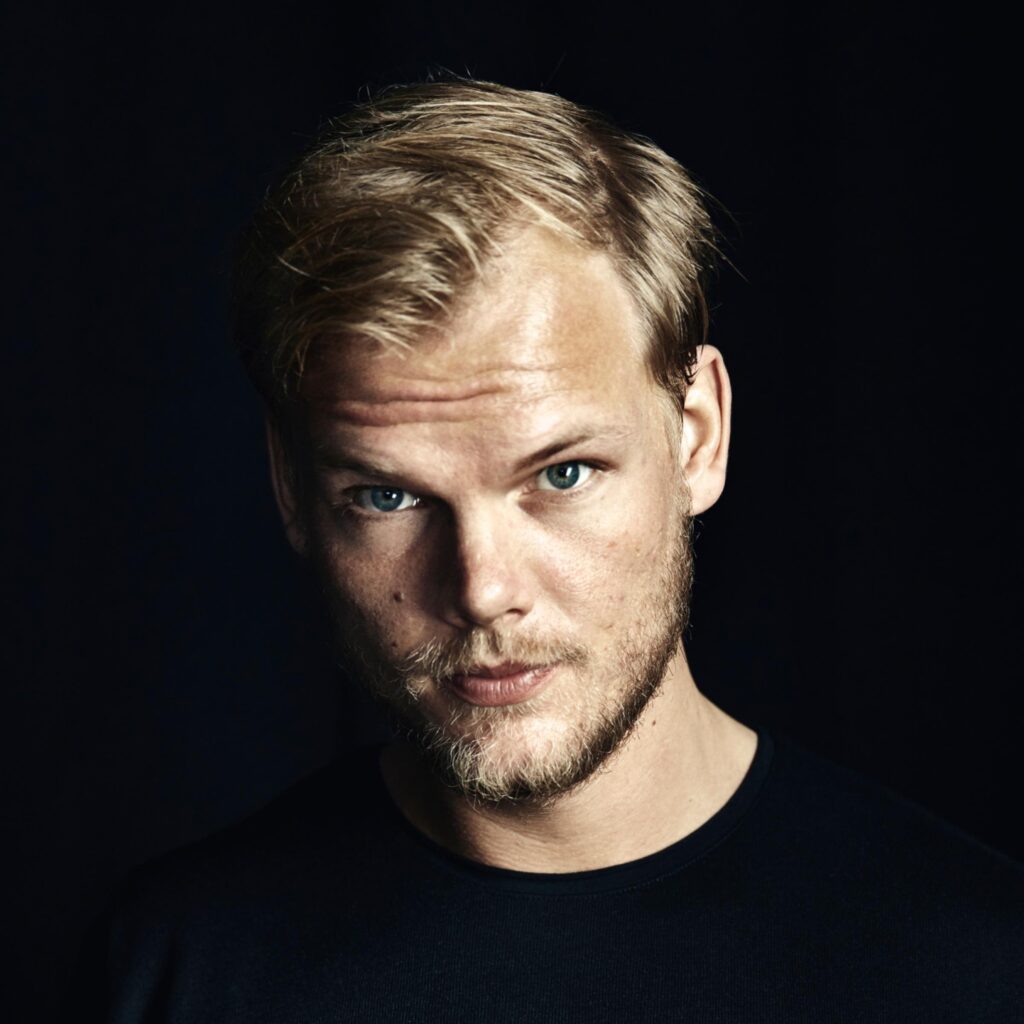
Avicii typically kept his blonde-brown hair in a medium-length, slightly tousled style. It looked natural and effortless—never overly styled or gelled. He sometimes wore his hair longer, and other times shorter, but always maintained a casual, approachable appearance.
He usually kept facial hair minimal, either clean-shaven or with light stubble. This contributed to his youthful appearance throughout his twenties.
The Avicii Triangle Logo
While not part of his physical appearance, the distinctive Avicii triangle logo became synonymous with his brand. The simple geometric design appeared on merchandise, stage visuals, and promotional materials, becoming instantly recognizable to fans worldwide.
Social Media Presence and Influence: Connecting with Millions
Avicii embraced social media as a way to connect directly with fans, share his music, and provide glimpses into his creative process. His social media presence was authentic, engaging, and influential.
Instagram: @avicii
Follower Count: Over 7 million followers (and growing even after his death)
Avicii’s Instagram featured a mix of:
- Behind-the-scenes studio photos
- Tour snapshots and festival performances
- Artistic photos from travels
- Announcements of new music releases
- Occasional personal moments (though rarely)
His Instagram aesthetic was clean and professional, with high-quality images that captured the excitement of his career. After his death, the account became a memorial, with the last posts serving as tributes to his legacy.
Engagement Rate: During his active years, Avicii’s posts regularly received hundreds of thousands of likes and tens of thousands of comments. His engagement rate was approximately 4.7%—significantly higher than average for accounts of similar size.
Followers: Over 2 million followers
Avicii reached a significant milestone when he gained 2 million Facebook followers, which inspired him to release the track “Two Million” to celebrate the achievement. This showed his appreciation for his fans and his awareness of how social media connected him to his audience.
His Facebook page served as a hub for:
- Music video premieres
- Tour announcements
- Longer-form content and updates
- Fan community building
Avicii was active on Twitter, using the platform to:
- Share thoughts and reflections
- Interact with fans
- Promote new releases
- Comment on music and culture
His tweets were typically thoughtful and genuine, avoiding the controversial or attention-seeking posts common among some celebrities.
YouTube Channel
Subscribers: Over 8 million subscribers
Avicii’s YouTube channel became one of the most successful in electronic music, featuring:
- Official music videos
- Live performance footage
- Behind-the-scenes content
- Documentary clips
- Lyric videos
His music videos for “Wake Me Up,” “The Nights,” “Waiting for Love,” and other hits have collectively accumulated billions of views. Even years after his death, his videos continue gaining millions of new views annually.
SoundCloud
Before mainstream success, SoundCloud was where Avicii connected with electronic music enthusiasts and fellow producers. He shared:
- Early tracks and remixes
- Works in progress
- Exclusive edits
- DJ mixes
His SoundCloud presence helped build his initial fanbase within the EDM community.
Post-Death Social Media Activity
After Avicii’s death, his social media accounts transformed into memorial spaces:
- They remain active as tributes to his legacy
- The accounts share throwback photos and videos
- They promote the Tim Bergling Foundation
- Followers continue to leave messages of appreciation and grief
- New fans discover his music and join the community
Interestingly, Avicii’s follower counts increased significantly after his death. The tragedy introduced his music to new audiences who hadn’t been familiar with his work, while existing fans became more active in celebrating his legacy.
Social Media Impact and Influence
Fan Community Building: Avicii’s social media presence helped create a dedicated global community. Fans connected with each other through shared appreciation for his music, creating friendships and networks that persist today.
Transparency About Struggles: While Avicii didn’t extensively document his health struggles on social media, he did share his decision to retire from touring through these platforms. This transparency helped fans understand his challenges, though in retrospect, many wish he had felt comfortable sharing even more about his mental health struggles.
Music Discovery: For millions of people, Avicii’s social media served as their introduction to electronic dance music. His approachable content made EDM feel accessible rather than exclusive or underground.
Health Struggles and Mental Health Journey: The Hidden Battle
Behind the sold-out shows, chart-topping hits, and apparent success, Avicii fought a private battle with serious health issues and mental health challenges. Understanding this struggle is crucial to understanding both his decision to retire and his tragic death.
Physical Health Issues
Acute Pancreatitis (2012) In January 2012, at the height of his rising fame, Avicii was hospitalized in New York City with acute pancreatitis. He spent 11 days in the hospital undergoing treatment for this serious and painful condition.
Acute pancreatitis is an inflammation of the pancreas that can cause severe abdominal pain, nausea, vomiting, and potentially life-threatening complications. In Avicii’s case, doctors attributed the condition to excessive alcohol use.
At just 22 years old, Avicii was already experiencing serious health consequences from the lifestyle associated with constant touring, late nights, and the culture of partying that surrounded the EDM scene.
Gallbladder and Appendix Removal (2014) In 2014, Avicii underwent surgery to remove both his gallbladder and appendix. These procedures forced him to cancel multiple tour dates, disappointing fans but highlighting the severity of his health problems.
The gallbladder removal was related to his ongoing digestive system issues, likely connected to his previous pancreatitis. Losing these organs meant permanent dietary restrictions and ongoing health management.
Ongoing Health Deterioration (2014-2016) Between 2014 and 2016, Avicii’s health continued to decline despite medical interventions. He experienced:
- Chronic pain requiring pain medication
- Digestive issues requiring dietary restrictions
- Fatigue and physical exhaustion
- Weight fluctuations
These physical problems were compounded by the relentless demands of touring—hundreds of shows per year, constant travel across time zones, irregular sleep schedules, and the pressure to perform at his peak every single night.
Substance Abuse Issues
Alcohol Addiction Avicii struggled with alcohol addiction, which contributed to his pancreatitis and other health problems. The culture of electronic music, with its emphasis on nightlife, clubs, and partying, created an environment where excessive drinking was normalized and sometimes even expected.
In the documentary “Avicii: True Stories,” Avicii’s father reflected on trying to get Tim to reduce his alcohol consumption, expressing deep concern about his son’s drinking habits.
Painkiller Dependency Following his surgeries and ongoing health issues, Avicii was prescribed powerful painkillers, including OxyContin and Vicodin. These opioid medications are highly addictive, and Avicii developed a dependency on them.
The combination of chronic pain, the need to continue performing, and the addictive nature of these medications created a dangerous cycle that Avicii struggled to break.
Mental Health Struggles
Anxiety Avicii suffered from severe anxiety, particularly performance anxiety and social anxiety. Despite performing for hundreds of thousands of people at festivals, he often felt uncomfortable in social situations and struggled with the constant attention that came with fame.
The pressure to continuously create hit songs, maintain his position among top DJs, and meet expectations from fans, record labels, and management took an enormous mental toll.
Depression Avicii battled depression, though he rarely discussed it publicly during his lifetime. The constant touring, isolation from family and friends, health problems, and substance abuse issues all contributed to his depressive episodes.
Depression among artists, especially those in the high-pressure electronic music scene, is more common than many realize. The lifestyle of constant travel, irregular schedules, and performance pressure can exacerbate or trigger mental health issues.
The Pressure of Success Ironically, Avicii’s incredible success became part of what made his situation unbearable. He felt trapped by expectations:
- Fans expected him to tour and perform
- Record labels expected continuous hit songs
- Management relied on his touring income
- His own identity became tied to being “Avicii the superstar DJ”
The documentary “Avicii: True Stories” revealed that Avicii often felt he couldn’t say no to bookings, even when he was exhausted or sick. The financial machine built around him created pressure that made it difficult to prioritize his own well-being.
Retirement from Touring (2016)
On March 29, 2016, Avicii announced via his website that he would retire from touring. The announcement read:
“To me it was something I had to do for my health. The scene was not for me. It was not the shows and not the music. It was always the other stuff surrounding it that never came naturally to me. All the other parts of being an artist. I’m more of an introverted person in general. It was always very hard for me. I took on board too much negative energy, I think.”
This honest statement revealed the internal struggle that fans hadn’t fully understood. While they saw the confident performer on stage, Avicii was suffering privately.
Final Performance: August 28, 2016 Avicii performed his final show at Ushuaïa Ibiza Beach Hotel on August 28, 2016. This emotional performance marked the end of his touring career. Fans who attended didn’t realize they were witnessing history—the last time Avicii would perform live.
After retirement, Avicii focused on producing music in the studio, where he felt more comfortable and in control. He released the “Avici (01)” EP in August 2017, showing he was still creating music, just not touring.
Attempts at Recovery
After retiring, Avicii attempted various approaches to manage his health:
- Practiced Transcendental Meditation
- Worked with therapists and counselors
- Reduced or eliminated substance use
- Focused on studio work rather than performing
- Spent time in places he found peaceful (including Oman)
Unfortunately, despite these efforts, he continued to struggle with the cumulative damage from years of substance abuse, the psychological impact of his rapid rise to fame, and underlying mental health issues that weren’t fully addressed.

How Old Was Avicii When He Died?
Avicii was 28 years old when he died on April 20, 2018. He was born on September 8, 1989, which means he died just over four months past his 28th birthday.
This tragically young age shocked the music world. At 28, most people are just beginning their careers and life journeys. Avicii had already achieved more than most artists accomplish in entire lifetimes, yet his life was cut devastatingly short.
The age 28 has particular significance in music history, as it’s part of the infamous “27 Club”—a group of musicians who died at age 27, including Jimi Hendrix, Janis Joplin, Jim Morrison, Kurt Cobain, and Amy Winehouse. While Avicii was one year older, his death at such a young age adds his name to the tragic list of artists who died far too soon.
Avicii Death and the Circumstances: A Tragic Loss
On April 20, 2018, the music world received devastating news: Avicii had been found dead in Muscat, Oman. The announcement sent shockwaves through the global music community and devastated millions of fans worldwide.
The Discovery
Avicii was vacationing in Muscat, Oman—a place he had visited before and found peaceful. He was discovered deceased in his hotel room on the afternoon of April 20, 2018. Initial reports did not specify a cause of death, leading to widespread speculation.
Family Statement and Cause of Death
Two days after his death, Avicii’s family released a statement that strongly suggested suicide:
“Our beloved Tim was a seeker, a fragile artistic soul searching for answers to existential questions. An over-achieving perfectionist who traveled and worked hard at a pace that led to extreme stress. When he stopped touring, he wanted to find a balance in life to be happy and be able to do what he loved most – music. He really struggled with thoughts about Meaning, Life, Happiness. He could not go on any longer. He wanted to find peace.”
This heartbreaking statement confirmed what many had feared. Avicii had taken his own life, unable to continue fighting the internal battles he had faced for years.
TMZ Confirmation
Shortly after the family’s statement, TMZ reported that Avicii died by suicide, with sources indicating he had inflicted self-harm using broken glass from a wine bottle. This graphic detail, while disturbing, highlighted the depth of his despair in those final moments.
Avicii’s death was not a sudden decision born from a single moment—it was the tragic conclusion of years of struggle with mental health, physical pain, addiction, and the pressures of fame.
Global Reaction
The response to Avicii’s death was immediate and overwhelming:
Music Community: Fellow DJs, producers, and artists posted tributes across social media:
- Calvin Harris, David Guetta, Tiësto, Martin Garrix, and countless others shared memories and grief
- Many electronic music artists spoke openly about mental health for the first time, sparked by Avicii’s death
- Major music festivals held moments of silence
Fans:
- Social media flooded with tributes, memories, and expressions of grief
- Fan-created memorials appeared worldwide
- Streaming of his music increased dramatically as people mourned
- Many fans shared personal stories of how Avicii’s music had impacted their lives
Media Coverage: Avicii’s death received extensive coverage in mainstream media, bringing attention to mental health issues in the music industry and the hidden costs of fame and success.
The Funeral
Avicii was buried in a private ceremony at Skogskyrkogården (The Woodland Cemetery) in Stockholm, Sweden, on June 8, 2018. The funeral was attended by family, close friends, and select colleagues from the music industry.
A public memorial service was held at Hedvig Eleonora Church in Stockholm, allowing fans and the broader community to pay their respects.
Why Oman?
Many people wondered why Avicii was in Oman when he died. Friends and family indicated that:
- He found the location peaceful and removed from the pressures of his celebrity life
- He had visited before and enjoyed the tranquility
- He was attempting to find himself and process his struggles away from distractions
- The location represented an escape from the demands that had consumed his life
Tragically, even in this peaceful setting, Avicii couldn’t escape his internal pain.
Legacy and Impact on Electronic Music: Remembering Tim Bergling
While Avicii’s life ended tragically, his impact on music and culture continues to resonate powerfully. His legacy extends far beyond his hit songs.
Musical Innovation and Genre-Blending
Bringing EDM to Mainstream: Before Avicii, electronic dance music was largely confined to clubs and dedicated EDM festivals. Avicii helped bring EDM into mainstream pop culture, onto Top 40 radio, and into the lives of people who had never considered themselves electronic music fans.
Songs like “Wake Me Up” proved that electronic production could coexist with country, folk, and other genres, creating something entirely new and commercially successful.
Influence on Production Styles: Avicii’s production techniques, particularly his melodic approach to progressive house, influenced countless producers. The “Avicii sound”—characterized by uplifting melodies, emotional builds, and euphoric drops—became a template that many artists studied and emulated.
Collaboration Across Genres: His willingness to collaborate with artists from different musical worlds (Coldplay, Aloe Blacc, Dan Tyminski) opened doors for other electronic producers to work outside the traditional EDM sphere.
Mental Health Awareness
Opening the Conversation: Avicii’s death forced the music industry—particularly electronic music—to confront mental health issues more directly. His struggle and tragic end sparked conversations about:
- The pressure on touring artists
- Substance abuse in the music industry
- The importance of mental health support
- The need for artists to prioritize well-being over commercial success
Industry Changes: Following Avicii’s death, some festivals and management companies implemented better support systems for artists, including mental health resources and more reasonable touring schedules.
The Tim Bergling Foundation
In March 2019, Avicii’s family established the Tim Bergling Foundation to honor his memory and support causes he cared about. The foundation focuses on:
- Mental health awareness and suicide prevention
- Climate change and nature conservation
- Endangered species protection
- Other charitable causes
The foundation receives ongoing royalties from Avicii’s music, ensuring his work continues to help others even after his death.
Documentary Films
“Avicii: True Stories” (2017) Released while Avicii was still alive, this documentary provided an intimate look at his life, struggles, and decision to retire from touring. It features candid moments and honest discussions about the challenges he faced.
The film became even more poignant after his death, serving as a window into his state of mind and the pressures he endured.
“Avicii – I’m Tim” (Netflix, TBA) A comprehensive Netflix documentary exploring Avicii’s life, directed by Henrik Burman. The film promises to provide deeper insight into Tim Bergling the person, beyond Avicii the performer.
Posthumous Releases and Tributes
Album: “Tim” (2019) Released in June 2019, this posthumous album featured nearly completed tracks that Avicii had been working on before his death. The album served as a final gift to fans and a reminder of the music lost when he died.
Tribute Concerts: Multiple tribute concerts have celebrated Avicii’s music and raised money for mental health charities and the Tim Bergling Foundation.
“Forever Yours” (2020) This collaboration with Kygo and Sandro Cavazza was completed and released posthumously, giving fans one more beautiful track to remember Avicii by.
The Avicii Arena
In May 2021, Stockholm’s Ericsson Globe arena was renamed Avicii Arena in his honor—a permanent tribute to Sweden’s most successful musical export and a reminder of his impact on music and culture.
Continued Influence on New Artists
Young producers cite Avicii as a major influence, studying his production techniques and song structures. His music continues to inspire new generations of electronic music artists.
Streaming and Cultural Presence
Years after his death, Avicii’s music continues to:
- Stream millions of times monthly on Spotify, Apple Music, and other platforms
- Play at festivals, clubs, and events worldwide
- Appear in commercials, films, and TV shows
- Soundtrack important life moments for millions of people
Songs like “The Nights,” with its message about living life fully, have become anthems for celebrations, graduations, and memorials, taking on new meaning in light of Avicii’s tragic death.
Mental Health Advocacy
Perhaps Avicii’s most important legacy is the conversation his death sparked about mental health, artist well-being, and the true cost of fame. His story serves as a cautionary tale and a call to action:
- Check on your successful friends—they may be struggling privately
- Prioritize mental health over career achievements
- Speak openly about struggles rather than suffering in silence
- Create support systems in high-pressure industries
Also Read:
Frequently Asked Questions About Avicii
What was Avicii real name?
Avicii’s real name was Tim Bergling. He was born Tim Bergling on September 8, 1989, in Stockholm, Sweden.
What does “Avicii” mean?
“Avicii” refers to Avīci, the lowest level of Buddhist hell. Tim chose this name because “Tim Bergling” was already taken when creating his Myspace page. He added an extra “i” to make it unique.
What was Avicii biggest song?
While “Levels” was his breakthrough hit, “Wake Me Up” featuring Aloe Blacc was his biggest commercial success, reaching #1 in over 20 countries and becoming one of the best-selling digital singles of all time.
How much money did Avicii make?
At his peak, Avicii earned $500,000 per gig and made $15-20 million annually. His net worth at death was estimated at $50-85 million, with career earnings around $140 million.
Was Avicii married?
No, Avicii never married. He had several serious relationships but never got married or engaged before his death at age 28.
Did Avicii have children?
No, Avicii did not have any children.
Who were Avicii girlfriends?
Avicii’s known relationships included Emily Goldberg (2011-2013), Racquel Natasha Bettencourt (2013-2016), and Tereza Kačerová (2017-2018).
How tall was Avicii?
Avicii was approximately 5 feet 10 inches to 5 feet 11 inches tall (178-180 cm).
Why did Avicii stop touring?
Avicii retired from touring in 2016 due to serious health issues, including pancreatitis, and struggles with mental health, anxiety, and the pressures of constant performing.
Where did Avicii die?
Avicii died in Muscat, Oman, on April 20, 2018, while on vacation.
How did Avicii die?
Avicii died by suicide at age 28 after years of struggling with mental health issues, physical health problems, and substance abuse.
What health problems did Avicii have?
Avicii suffered from acute pancreatitis (caused by excessive alcohol use), had his gallbladder and appendix removed, struggled with alcohol and opioid addiction, and battled anxiety and depression.
What happened to Avicii’s money?
Because Avicii died without a will, his estate (worth tens of millions) passed to his parents, Klas Bergling and Anki Lidén, according to Swedish inheritance laws. They established the Tim Bergling Foundation with some of the proceeds.
Is there an Avicii documentary?
Yes, “Avicii: True Stories” was released in 2017. A more comprehensive Netflix documentary, “Avicii – I’m Tim,” directed by Henrik Burman, provides deeper insight into his life.
What is the Tim Bergling Foundation?
The Tim Bergling Foundation was established by Avicii’s family in 2019 to support mental health awareness, suicide prevention, climate change initiatives, and other charitable causes.
Which DJs were influenced by Avicii?
Countless DJs and producers cite Avicii as an influence, including Martin Garrix, Kygo, Alesso, and many others in the progressive house and melodic EDM genres.
What was Avicii’s last song?
His last released song during his lifetime was from the “Avici (01)” EP in 2017. Posthumously, his last album “Tim” was released in 2019, and “Forever Yours” with Kygo came out in 2020.
How many streams does Avicii have?
Avicii’s music has been streamed billions of times across all platforms. His most popular songs have individual stream counts in the hundreds of millions on Spotify alone.
Conclusion
Avicii was far more than a successful DJ or hit-maker. He was a musical visionary who transformed electronic dance music, brought it to mainstream audiences, and created songs that continue to move and inspire millions of people around the world.
Tim Bergling’s story is both triumphant and tragic—a reminder that external success doesn’t guarantee internal peace, and that even those who seem to have everything can be struggling with invisible battles.
His legacy lives on through his innovative music, through the conversations about mental health his death sparked, and through the Tim Bergling Foundation working to prevent similar tragedies. Every time “Wake Me Up” plays at a graduation, every time “The Nights” soundtracks a life milestone, every time a young producer is inspired to create—Avicii’s impact continues.
If you or someone you know is struggling with mental health issues or thoughts of suicide, please reach out for help:
- National Suicide Prevention Lifeline (US): 988 or 1-800-273-8255
- Crisis Text Line: Text HOME to 741741
- International Association for Suicide Prevention: https://www.iasp.info/resources/Crisis_Centres/
Tim Bergling may be gone, but Avicii’s music—and the important conversations his life and death sparked—will resonate for generations to come.
Rest in peace, Tim. Your music lives on forever.
